




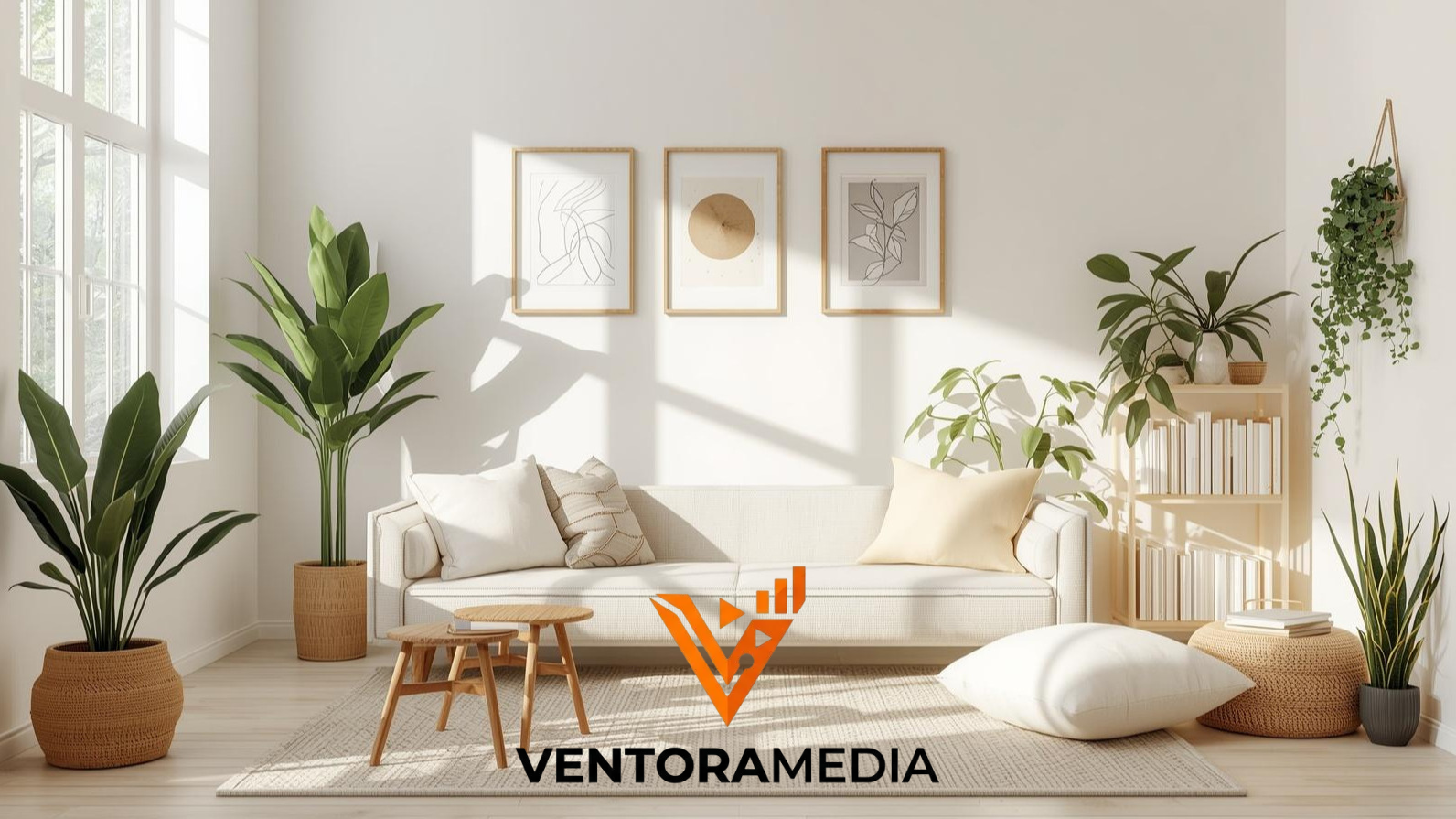
Interior design is often associated with beautiful furniture, stylish colors, and decorative accessories. While these elements certainly contribute to a room’s appearance, they are only part of the bigger picture. Great interior design goes beyond visual appeal. It focuses on creating spaces that support the people who use them every day.
When discussing what is the most important thing in interior design mintpalment, many professionals agree that functionality is the foundation of every successful interior. A space can be visually impressive, but if it does not serve its purpose well, it fails to meet the needs of its occupants.
This practical guide explores the principles behind effective interior design, why functionality matters most, and how homeowners can create interiors that are both attractive and practical.
Understanding the Purpose of Interior Design
Interior design is the art and science of improving indoor spaces to make them more functional, comfortable, and visually pleasing. It combines architecture, psychology, ergonomics, color theory, lighting, and spatial planning to create environments that enhance everyday life.
The goal is not simply to fill a room with furniture. Instead, it is to design a space that supports activities, reflects personality, and promotes well being.
A well designed room should feel natural to use. People should be able to move comfortably, access what they need easily, and enjoy spending time in the environment.
This is why understanding what is the most important thing in interior design mintpalment requires looking beyond decoration and focusing on how a space actually works.
Why Functionality Comes First
Among all design principles, functionality consistently ranks as the most important. Every room has a purpose, and the design should support that purpose before considering decorative details.
For example, a kitchen should allow efficient cooking and storage. A bedroom should encourage relaxation and restful sleep. A home office should promote productivity and concentration.
When functionality is ignored, even the most beautiful interiors can become frustrating to use. Furniture may block movement, storage may be inadequate, or lighting may not support daily tasks.
Good design begins by asking practical questions:
- How will this space be used?
- Who will use it?
- What activities will take place here?
- What challenges need to be solved?
Answering these questions helps create interiors that improve daily living rather than simply looking attractive in photographs.
The Role of Lifestyle in Interior Design
Every individual and family has unique needs. A design that works perfectly for one household may not suit another.
A family with young children may require durable materials, extra storage, and flexible spaces for play. A remote worker may prioritize a dedicated office area with excellent lighting and minimal distractions. An older homeowner may need layouts that improve accessibility and safety.
This personalized approach is a major part of what is the most important thing in interior design mintpalment. Successful interiors are designed around people rather than trends.
When a design reflects real life habits and routines, it becomes more comfortable, efficient, and enjoyable over the long term.
Space Planning Matters
One of the most overlooked aspects of interior design is space planning. This process involves organizing furniture, pathways, and functional zones within a room.
Effective space planning ensures that rooms feel balanced and easy to navigate. It prevents overcrowding and allows each area to serve its intended purpose.
Poor space planning often leads to common problems such as:
- Restricted movement
- Uncomfortable furniture arrangements
- Wasted space
- Visual clutter
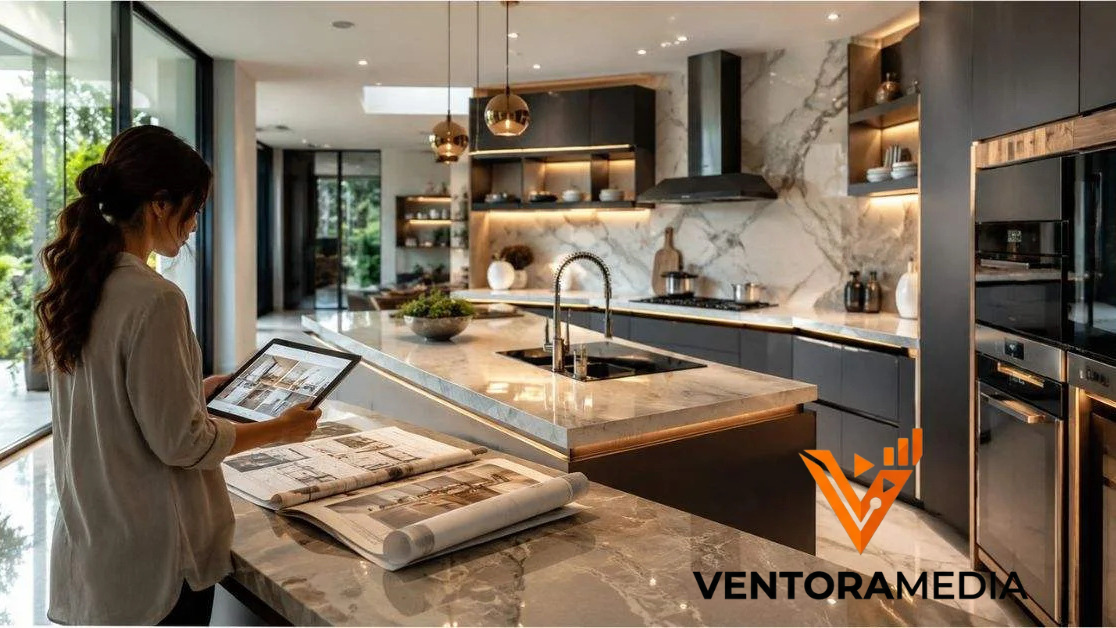
Professional designers frequently begin projects with floor plans because they understand that layout decisions influence every other aspect of the design.
A thoughtfully planned room often feels larger, more organized, and more welcoming regardless of its actual size.
The Power of Color
Color plays a significant role in shaping how people experience a space. Different colors can influence mood, energy levels, and perceptions of size.
Light colors often create a sense of openness and brightness. Darker shades can add depth, warmth, and sophistication. Neutral palettes provide flexibility and timeless appeal.
However, color selection should always support the room’s purpose.
Bedrooms typically benefit from calming tones. Home offices often work well with colors that encourage focus. Social areas may incorporate warmer shades that promote interaction and comfort.
Color is important, but it should never overshadow functionality. The most effective interiors use color as a tool to enhance the user experience.
Lighting Shapes Every Space
Lighting is one of the most influential elements in interior design. It affects visibility, mood, productivity, and overall comfort.
Natural light is especially valuable because it creates a connection with the outdoors while improving the atmosphere of a room. Spaces with abundant daylight often feel larger, healthier, and more inviting.
Artificial lighting should also be carefully planned. A successful design typically combines several types of lighting:
- Ambient lighting for overall illumination
- Task lighting for specific activities
- Accent lighting for visual interest
Without proper lighting, even the most carefully designed interior can feel uncomfortable and incomplete.
For this reason, lighting remains a critical factor when considering what is the most important thing in interior design mintpalment.
Furniture Should Serve a Purpose
Furniture is much more than decoration. It directly influences comfort, usability, and the overall flow of a room.
Choosing furniture solely based on appearance can lead to practical problems. Oversized pieces may overwhelm a space, while poorly designed furniture may not meet everyday needs.
The best furniture selections balance beauty and function.
Comfortable seating, practical storage solutions, and appropriately scaled pieces contribute to a more effective interior. Each item should have a clear purpose and support the room’s intended use.
Quality is often more important than quantity. A few carefully chosen pieces typically create a stronger impact than a room filled with unnecessary furniture.
Texture and Materials Create Depth
Texture is another important aspect of interior design that is sometimes overlooked.
Different materials influence how a space feels both visually and physically. Wood adds warmth, stone creates durability, metal introduces contrast, and fabrics contribute softness and comfort.
Combining various textures helps create depth and character without relying solely on color.
For example, a neutral room can feel rich and inviting through the use of woven textiles, natural wood finishes, and layered fabrics.
The thoughtful use of materials enhances comfort while supporting the overall design concept.
Comfort Is a Sign of Good Design
Many people judge interiors based on appearance alone. However, truly successful interiors are comfortable to live in.
Comfort involves several factors, including:
- Proper furniture proportions
- Adequate lighting
- Effective temperature control
- Good acoustics
- Functional layouts
A beautiful room that feels uncomfortable will rarely be appreciated over time.
This is why comfort is closely connected to functionality and often serves as a reliable indicator of design quality.
When people feel relaxed and at ease within a space, the design is fulfilling its purpose.
Common Design Mistakes to Avoid
Many homeowners unintentionally prioritize trends over practicality. While current design styles can provide inspiration, they should not dictate every decision.
One common mistake is choosing aesthetics before considering daily needs. Another is overcrowding rooms with furniture and decorative items.
Poor lighting is also a frequent issue. Even a well designed space can feel dark and unwelcoming without adequate illumination.
Ignoring storage requirements creates additional problems. Clutter quickly undermines both functionality and visual appeal.
The most effective approach is to focus on long term usability while incorporating personal style in a balanced way.
Practical Interior Design Tips
Creating a functional and attractive interior does not always require a large budget or professional assistance.
Start by identifying the primary purpose of each room. Consider how the space is used on a daily basis and what improvements could make it more efficient.
Invest in quality pieces that provide lasting value. Prioritize comfort, durability, and practicality over short lived trends.
Pay attention to lighting and maximize natural light whenever possible.
Maintain a consistent design theme throughout the home while allowing each room to develop its own personality.
Finally, avoid filling every available space. Empty areas are just as important as furnished ones because they contribute to balance and visual clarity.
Interior Design Across Different Spaces
The principles of good design apply to a wide variety of environments.
Homes require comfort, functionality, and personal expression. Apartments often benefit from space saving solutions and multifunctional furniture.
Office environments should encourage productivity while supporting employee well being. Commercial spaces must balance customer experience with operational efficiency.
Although the specific goals may vary, the underlying principle remains the same. Every space should be designed around the needs of its users.
This universal focus on usability reinforces the answer to what is the most important thing in interior design mintpalment.
The Future of Functional Interior Design
Interior design continues to evolve as lifestyles and technologies change.
Sustainability has become a major priority, leading to increased interest in environmentally responsible materials and energy efficient solutions.
Smart home technology is also transforming how people interact with their living environments. Automated lighting, climate control, and security systems are becoming more common.
Flexible spaces are another growing trend. Many homeowners now seek rooms that can serve multiple purposes throughout the day.
Despite these innovations, the core principle remains unchanged. Design should improve the way people live, work, and interact with their surroundings.
Conclusion
So, what is the most important thing in interior design mintpalment?
The answer is functionality. While color, furniture, lighting, and decorative details all contribute to a successful interior, they should support the primary goal of creating a space that works effectively for its users.
Great interior design is not just about appearance. It is about improving comfort, enhancing daily life, and solving practical challenges through thoughtful planning.
When functionality becomes the foundation of every design decision, the result is a space that is not only beautiful but also meaningful, comfortable, and enduring. That balance is what transforms an ordinary room into an exceptional living enviro
FAQs what is the most important thing in interior design mintpalment
What is the most important thing in interior design mintpalment?
The most important thing in interior design mintpalment is functionality. A space should meet the needs of the people who use it while maintaining comfort, efficiency, and visual appeal.
Why is functionality more important than decoration in interior design?
Functionality ensures that a room serves its intended purpose effectively. While decoration enhances appearance, a well designed space must first be practical, comfortable, and easy to use.
How does lighting affect interior design?
Lighting influences the mood, comfort, and usability of a room. Proper natural and artificial lighting can make spaces feel larger, brighter, and more welcoming.
What are the key elements of successful interior design?
Successful interior design typically includes space planning, lighting, color selection, furniture arrangement, texture, and functionality. These elements work together to create balanced and attractive interiors.
How can I improve my home’s interior design without a large budget?
Start by decluttering, improving furniture placement, maximizing natural light, and choosing a consistent color scheme. Small changes focused on functionality can significantly improve the overall look and feel of a space.