





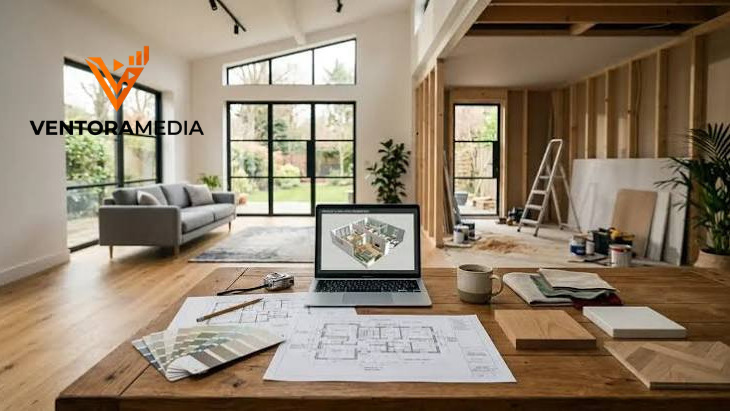
Home renovation is more than changing colors, replacing furniture, or upgrading fixtures. A successful renovation transforms a house into a space that feels comfortable, practical, and visually appealing. Whether you are updating a single room or planning a full property makeover, thoughtful design decisions can make a significant difference in how your home looks and functions for years to come.
Understanding how to design home renovation homenumental requires careful planning, smart budgeting, and a clear vision. The best renovation projects are not just beautiful. They are designed around the daily needs of the people who live in them. A stylish home should also support comfort, organization, efficiency, and long term value.
This guide explores the essential principles that help homeowners create a living space that is both attractive and functional.
Understanding the Purpose of Your Renovation
Before choosing paint colors or flooring materials, it is important to understand why you want to renovate.
Some homeowners renovate to improve functionality. Others want to modernize outdated spaces, increase property value, or create a home that better reflects their lifestyle. Defining your goals early helps guide every decision throughout the renovation process.
A clear purpose prevents unnecessary spending and ensures that every design choice contributes to the final vision. Experts consistently emphasize that successful renovations begin with understanding how people actually live in their homes rather than focusing solely on appearance. Thoughtful planning creates spaces that support daily routines, improve movement throughout the home, and maximize comfort.
Creating a Clear Renovation Plan
A renovation without a plan often leads to delays, unexpected costs, and disappointing results.
Start by documenting your ideas and priorities. Consider which rooms need the most attention and identify the changes that will have the greatest impact on your lifestyle. Creating a renovation roadmap helps organize decisions and ensures that every element works together.
Professional designers often follow a structured sequence when planning renovations. Layout decisions, electrical planning, lighting, storage, and finishes are interconnected. Making decisions in the correct order reduces costly revisions and construction mistakes.
Your renovation plan should include:
- Project goals
- Budget expectations
- Design preferences
- Material selections
- Estimated timeline
- Contractor requirements
A well prepared plan serves as the foundation for a successful project.
Designing a Functional Layout
A beautiful room means little if it does not function properly.
One of the most important aspects of how to design home renovation homenumental is creating a layout that supports everyday living. Good design starts with space planning, circulation, and room relationships.
Think about how people move through your home. Are hallways crowded? Is the kitchen disconnected from dining areas? Do certain rooms feel too small or difficult to use?
Design professionals focus heavily on circulation and functionality before considering decorative elements. Efficient layouts eliminate bottlenecks, improve accessibility, and create a more comfortable living experience.
Open concept layouts remain popular because they improve sightlines and encourage interaction. However, every home is different. The best layout is one that reflects your household’s needs and routines.
Choosing a Design Style
A consistent design style creates visual harmony throughout the home.
Whether you prefer modern, contemporary, traditional, minimalist, or transitional interiors, consistency helps every room feel connected. Mixing too many styles can make a renovation feel unplanned and chaotic.
Modern design often emphasizes clean lines, neutral colors, and simplicity. Traditional interiors focus on timeless details and elegant finishes. Transitional design combines elements from both approaches, creating a balanced and versatile appearance.
When selecting a style, consider the architecture of your home. A renovation that complements the property’s existing character often feels more natural and cohesive.
Most importantly, choose a style that matches your lifestyle rather than chasing temporary trends.
Setting a Realistic Budget
Budget planning is one of the most overlooked parts of home renovation.
Many homeowners underestimate expenses and encounter financial stress midway through construction. Establishing a realistic budget from the beginning helps avoid unpleasant surprises.
A good approach is to prioritize spending on areas that provide the greatest long term value. Structural improvements, quality flooring, efficient storage solutions, and durable materials often deliver better returns than decorative upgrades alone.
Industry professionals recommend setting aside an emergency fund for unexpected costs. Renovation projects frequently uncover hidden issues such as plumbing problems, electrical upgrades, or structural repairs that require additional investment.
Careful budgeting helps maintain control over the project while protecting the quality of the final result.
Selecting Durable Materials
Material selection affects both appearance and longevity.
While aesthetics matter, durability should never be ignored. High quality materials often require a larger initial investment but can reduce maintenance costs and improve long term satisfaction.
Hardwood flooring remains a popular choice because of its durability and timeless appeal. Luxury vinyl flooring offers excellent resilience and water resistance. Porcelain tile works particularly well in kitchens and bathrooms.
For countertops, quartz continues to gain popularity due to its durability, low maintenance requirements, and modern appearance.
Choosing materials that balance beauty and performance ensures that your renovation remains attractive for many years.
Maximizing Natural Light
Natural light has a remarkable impact on how a home feels.
Bright spaces appear larger, cleaner, and more inviting. Renovation plans should carefully consider window placement, room orientation, and opportunities to improve daylight access.
Large windows, glass doors, and open layouts can dramatically increase the amount of natural light entering a home. Even small changes, such as removing unnecessary partitions, can make spaces feel significantly brighter.
Experts frequently identify natural light as one of the most important contributors to comfort and visual appeal in residential design. Proper planning can enhance both functionality and atmosphere.
Creating an Effective Lighting Plan
Lighting should never be treated as an afterthought.
Many renovation projects focus heavily on finishes while neglecting lighting design. The result is often a space that looks attractive during the day but lacks warmth and functionality at night.
A successful lighting strategy combines three layers:
Ambient lighting provides general illumination.
Task lighting supports specific activities such as cooking, reading, and working.
Accent lighting highlights architectural features and decorative elements.
Design experts recommend planning lighting early in the renovation process to avoid costly modifications later. Layered lighting creates flexibility while improving comfort and usability throughout the home.
Designing a Functional Kitchen
The kitchen remains one of the most important spaces in any home.
A well designed kitchen balances efficiency, storage, and aesthetics. Layout decisions should focus on how the space is used daily.
Work zones should be arranged to minimize unnecessary movement. Storage should be easily accessible and tailored to household needs. Countertops should provide sufficient preparation space without overcrowding the room.
Durable finishes, quality cabinetry, and practical appliance placement all contribute to a kitchen that functions effectively while maintaining visual appeal.
Because kitchens significantly influence resale value, thoughtful design decisions often provide long term financial benefits.
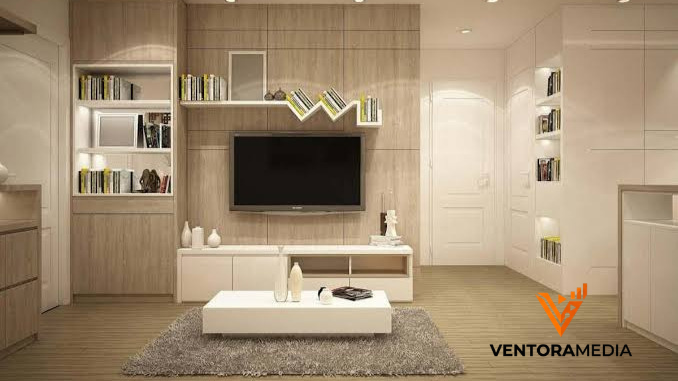
Improving Living Areas
Living rooms serve multiple purposes in modern homes.
They function as gathering spaces, entertainment zones, relaxation areas, and sometimes even home offices. Flexible design solutions help accommodate these evolving needs.
Furniture arrangement should support conversation, movement, and comfort. Built in storage can reduce clutter while maintaining a clean appearance.
Thoughtful space planning ensures that living areas feel welcoming without becoming overcrowded.
The most successful living rooms strike a balance between practicality and personal expression.
Renovating Bathrooms for Comfort
Bathrooms may be smaller than other rooms, but their impact is significant.
Modern bathroom renovations focus on comfort, efficiency, and durability. Smart storage solutions help maximize available space while reducing visual clutter.
Features such as walk in showers, quality ventilation systems, durable surfaces, and improved lighting contribute to both functionality and luxury.
Investing in moisture resistant materials and well planned layouts can significantly improve long term performance and maintenance.
Incorporating Smart Home Technology
Technology continues to play an increasingly important role in residential design.
Smart lighting systems, programmable thermostats, security cameras, and automated devices can improve convenience and energy efficiency.
Many homeowners now include smart technology during renovation projects because installation is easier while walls and infrastructure are already being updated.
When integrated thoughtfully, technology enhances daily living without compromising design aesthetics.
Choosing the Right Colors
Color influences mood, perception, and overall atmosphere.
Neutral palettes remain popular because they create flexibility and timeless appeal. However, strategic use of color can add warmth, personality, and visual interest.
Soft earth tones, warm whites, muted greens, and natural shades continue to perform well in residential interiors because they complement a wide range of materials and furnishings.
The goal is to create visual harmony rather than overwhelm the space with excessive contrast.
Timeless color choices often age more gracefully than trend driven palettes.
Embracing Sustainable Design
Sustainability has become a major consideration in modern renovation projects.
Energy efficient windows, improved insulation, water saving fixtures, and environmentally responsible materials can reduce operating costs while minimizing environmental impact.
Durable materials also contribute to sustainability by reducing the need for future replacements.
Many homeowners are discovering that environmentally conscious decisions often provide financial benefits through lower utility bills and reduced maintenance requirements.
A sustainable renovation is not only good for the environment but also beneficial for long term homeownership.
Avoiding Common Renovation Mistakes
Even well intentioned projects can encounter problems.
One common mistake is prioritizing appearance over functionality. A room may look impressive but fail to support daily activities effectively.
Another frequent issue is inadequate storage planning. Insufficient storage often leads to clutter and frustration after the renovation is complete.
Poor lighting design, unrealistic budgets, and excessive reliance on short term trends can also reduce long term satisfaction.
Experts consistently recommend creating a comprehensive master plan before construction begins. Coordinated decision making helps avoid costly mistakes and produces more cohesive results.
Working With Professionals
While some homeowners successfully manage renovation projects independently, professional guidance often delivers better outcomes.
Architects, interior designers, and experienced contractors provide valuable expertise in planning, budgeting, material selection, and project management.
Professionals can identify potential issues before construction begins and help coordinate complex decisions throughout the renovation process.
Their knowledge often saves both time and money while improving overall quality.
Choosing qualified professionals is one of the most effective ways to protect your investment.
Conclusion
Learning how to design home renovation homenumental involves much more than selecting attractive finishes. A successful renovation combines thoughtful planning, functional layouts, durable materials, effective lighting, and a clear understanding of how people use their homes every day.
The most beautiful homes are often the ones that function effortlessly behind the scenes. When style and practicality work together, the result is a living space that feels comfortable, welcoming, and timeless.
By focusing on long term value, smart design principles, and careful planning, homeowners can create spaces that not only look exceptional but also improve everyday life for years to come.
Frequently Asked Questions How to Design Home Renovation Homenumental
What is the first step in designing a home renovation?
The first step is identifying your goals. Decide whether you want to improve functionality, update the appearance, increase property value, or achieve all three before creating a renovation plan.
How can I make my home renovation both stylish and functional?
Focus on practical layouts, smart storage solutions, durable materials, and a consistent design style. A successful renovation balances beauty with everyday usability.
What rooms should I prioritize during a home renovation?
Kitchens, bathrooms, and living areas typically provide the greatest impact. These spaces are used most often and can significantly improve comfort and property value.
How do I stay within my renovation budget?
Create a detailed budget before starting, prioritize essential upgrades, compare material options, and keep a contingency fund for unexpected expenses that may arise during the project.
Why is planning important when learning how to design home renovation homenumental?
Proper planning helps avoid costly mistakes, improves project efficiency, and ensures every design choice supports both the style and functionality of your living space.