





Silent Hill is one of the most iconic names in horror gaming. It has influenced decades of games, films, art and storytelling with its deep psychological horror and haunting atmosphere. In this guide your Guia Silent Hill Geekzilla we’ll walk through what Silent Hill is, why it matters, how the series evolved, the stories it tells, and how to approach it in a way that gives you the best experience. We’ll cover everything from the first game in 1999 to the recent entries keeping the franchise alive today.
What Silent Hill Is
Silent Hill is a survival horror video game franchise created by Konami in 1999. It stands apart from other horror games because it focuses on psychological terror rather than simply jump scares or action. The series takes place mostly in the fictional American town of Silent Hill, Maine, a place with a dark supernatural history and an eerie fog that sets the tone for every game.
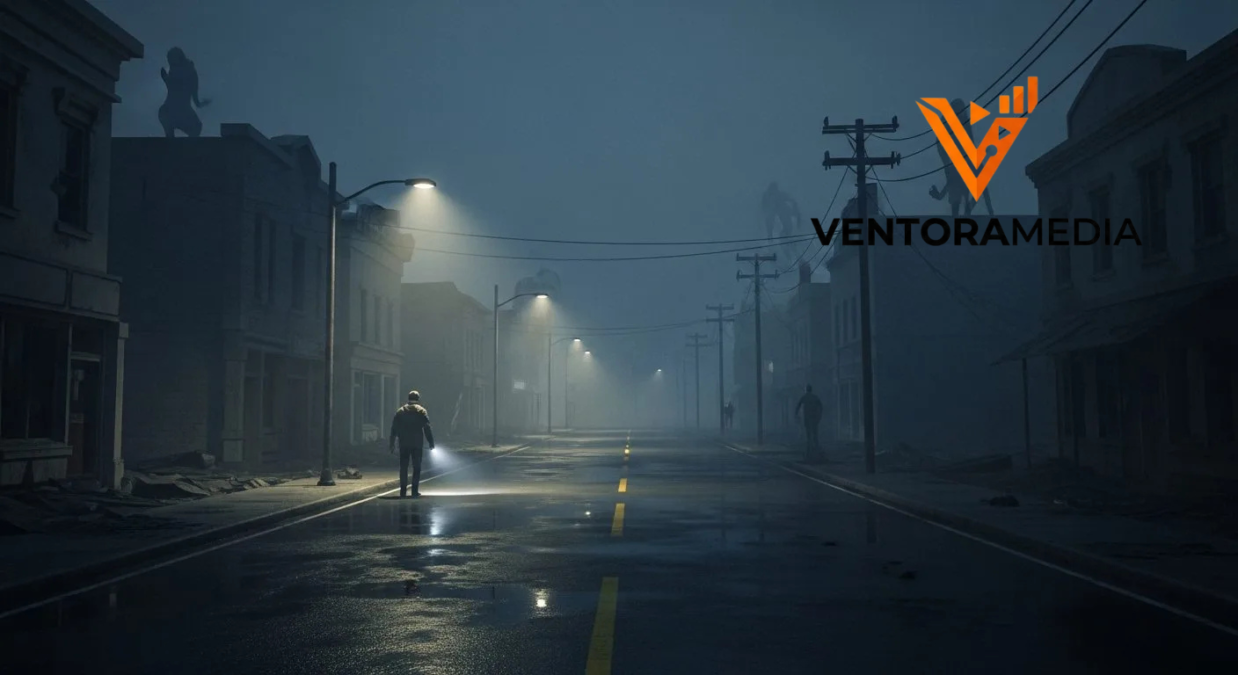
Unlike many horror titles that rely on immediate fright, Silent Hill builds fear through atmosphere, sound design, symbolism, and storytelling. The town itself feels like a character with its foggy streets, abandoned buildings, and unsettling silence, it reflects the inner turmoil and fears of the characters who enter.
Why Silent Hill Changed Gaming
When the original Silent Hill was released in 1999, it stood out because it took a different approach to fear. Instead of running around with heavy guns and fighting monsters head on, players felt vulnerable and uncertain. The game’s use of fog and darkness wasn’t just an artistic choice, it shaped how players experienced fear, filling every corner with the unknown.
It wasn’t the first horror game ever, but it redefined psychological horror by making fear personal. Every enemy could mean something deeper. Every creaking hallway might represent the character’s guilt, trauma, or subconscious dread. This focus on emotion and mood instead of just action is a big reason Silent Hill still matters in gaming today.
How the Series Evolved
The Silent Hill series has changed over time, with different developers and styles taking the franchise in new directions. But at its core, most games explore fear, memory, guilt, trauma, and the unknown.
Silent Hill (1999)
The first game introduces Harry Mason, a father searching for his missing daughter in Silent Hill. It set the blueprint for the series: an ordinary character in an extraordinary and terrifying world.
Silent Hill 2 (2001)
This installment is often considered a masterpiece. Instead of directly continuing the first game’s story, it focuses on James Sunderland, a man drawn to Silent Hill after receiving a letter from his deceased wife. The game explores guilt and grief in ways few games had before.
Silent Hill 3 (2003)
Silent Hill 3 connects more directly to the original game but deepens the lore with memorable characters and disturbing imagery.
Silent Hill 4: The Room (2004)
This game took a different approach, focusing on a character trapped inside his own apartment that connects to the horrors of Silent Hill. It received mixed reactions but still added variety to the series.
Later games like Origins, Homecoming, and Downpour experimented with style and mechanics, sometimes moving away from the core psychological elements. But recent entries like Silent Hill 2 Remake and Silent Hill F have brought renewed focus to mood and story.

The Heart of the Horror
Silent Hill isn’t just about monsters or haunted towns. Its fear comes from the way it connects to human emotion. The monsters and environments often represent internal struggles like guilt, grief, shame, and psychological trauma. The town becomes a mirror for what the characters fear or regret deep inside them.
For example, in Silent Hill 2, the creatures James encounters aren’t random monsters. They are symbolic extensions of his guilt and psychological state. That’s a big part of why the game is so respected it feels less like a walk through a haunted town and more like a journey through a troubled mind.
This focus on psychology, rather than only supernatural horror, sets Silent Hill apart from many other horror games. It makes the experience linger with you long after you stop playing.
What to Expect When You Play
If you’re new to Silent Hill, it’s helpful to know a few things before you dive in:
Atmosphere Over Action
Unlike modern horror games that lean into action or fast movement, Silent Hill builds tension slowly. Fog, low visibility, strange sounds, and unsettling silence are all part of the experience.
Symbolic Monsters
Enemies are rarely just obstacles. They often stand for deeper meanings tied to the character’s past or fears.
Puzzle Solving Matters
Silent Hill also uses puzzles. These aren’t always simple fetch quests, they are deliberately designed to make you think and feel uneasy, keeping your mind active and your tension high.
Multiple Endings
Many Silent Hill games have different endings depending on how you play. Choices and actions can shift the story, encouraging replay and deeper reflection.
All of these elements come together to create a world that feels unpredictable and deeply personal, even when you’re just walking down a fog covered street.
The Town of Silent Hill
The town itself isn’t just a backdrop. It’s part of the story. While early games are set in the fictional Maine town, later entries have explored the broader idea of what Silent Hill could mean, including concepts where Silent Hill becomes less a place and more a phenomenon that reflects inner fears and emotional states.
Silent Hill’s environments are crafted to make you feel isolated and uneasy. Narrow corridors, quiet streets, flickering lights, and distant sounds all work together to keep you on edge. This intentional design turns the town into more than a setting it becomes a psychological player in every story.
Current State of the Franchise
The Silent Hill franchise experienced ups and downs over the years. After the original run of Team Silent games, the series sometimes struggled to capture the same magic. But in recent years, there’s been a revival with remakes and new titles that pay tribute to the core elements that made the series beloved.
One of the most talked about recent entries is Silent Hill F, released in 2025. It expands the franchise’s themes while offering a fresh setting and story. Players and critics have pointed out that it stays true to the psychological roots of the series while introducing new creative storytelling elements.
This revival shows that Silent Hill still has powerful stories to tell, and that the franchise can evolve without losing its identity.
Why Fans Still Love Silent Hill
Silent Hill resonates with players for several reasons:
Emotional Depth
The stories often deal with very real feelings guilt, loss, fear, and memory in ways games rarely do.
Ambience and Sound
The music and sound design, especially in early games, are crucial parts of the experience and help build tension and mood.
Mystery and Interpretation
Many aspects of the series are open to interpretation. This invites players to think, analyze, and even debate the meaning behind what they see.
Character Journeys
While the settings are eerie, the characters often have personal stories that make the fear feel human and grounded.
These qualities make Silent Hill stand out in a genre where fear can sometimes feel shallow or cheap.
Conclusion
The Guia Silent Hill Geekzilla has walked you through why Silent Hill is more than just a series of horror games. It’s a deep dive into psychological storytelling, emotional fear, and symbolic worlds that stay with you. From the original game in 1999 to the latest modern entries revitalizing the franchise, Silent Hill continues to redefine what horror can be.
If you’re ready to explore this world, go in with an open mind and expect more than just scares. Expect questions. Expect symbolism. Expect a journey that feels personal and unforgettable. Silent Hill isn’t just a place on the screen. It’s a feeling.
FAQs Guia Silent Hill Geekzilla
1. What is Silent Hill?
Silent Hill is a survival horror video game series known for its psychological fear, eerie atmosphere, and symbolic storytelling. It focuses more on suspense and emotional tension than on action or jump scares.
2. Who should read the Guia Silent Hill Geekzilla?
This guide is for both newcomers and longtime fans. It helps players understand the series’ story, explore the town’s mysteries, and uncover hidden secrets.
3. Do I need to play all the games to understand Silent Hill?
Not necessarily. While each game has its own story, the guide highlights key events, characters, and themes so you can enjoy the experience without playing every installment.
4. Why is Silent Hill considered psychological horror?
Because the games explore characters’ fears, guilt, and trauma. The monsters and environments often represent internal struggles rather than just external threats.
5. Are there multiple endings in Silent Hill games?
Yes. Many games have multiple endings depending on your choices and actions. This adds replay value and allows players to explore different interpretations of the story.