





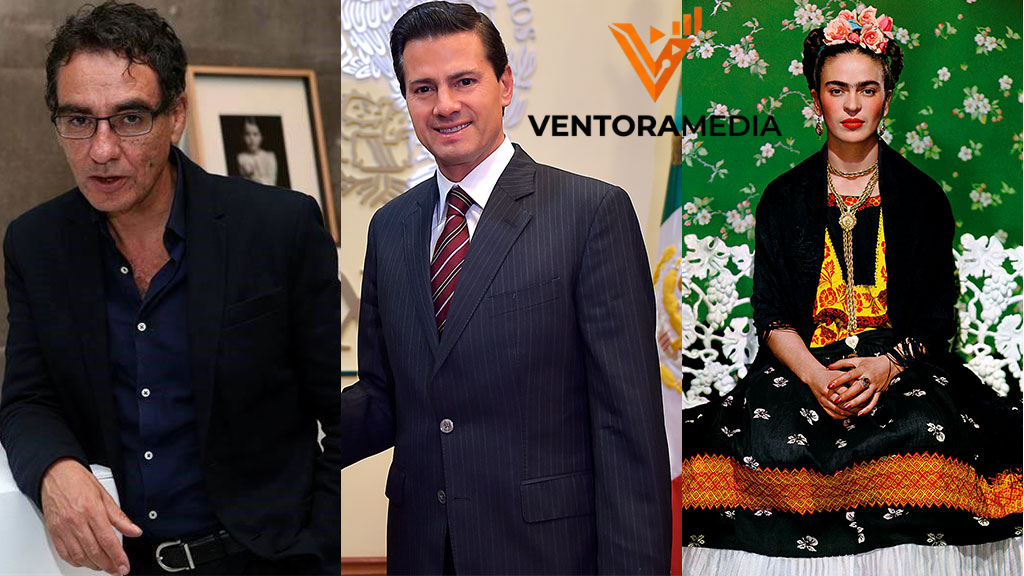
Antonio Pinedo Kahlo was born into one of the most remarkable families in modern art. Though his name may not be as widely recognized as his famous aunt Frida Kahlo, his life was deeply connected to the world of creativity, struggle, and passion that surrounded the Kahlo household. His story reveals a quieter but meaningful thread in the broader fabric of Mexican cultural history.
A Name Rooted in History
Antonio was born in 1932 to Cristina Kahlo y Calderón and Antonio Pineda Chambon. Cristina was one of the sisters of Frida Kahlo, the renowned Mexican painter whose work is celebrated around the world for its emotional intensity and symbolic depth. Antonio and his sister Isolda Pineda Kahlo spent their early years at the crossroads of a family defined by artistic ambition and personal upheaval.
From the start, Antonio’s life was shaped by the legacies around him. His mother came from the Kahlo family, known for their strong personalities and deep engagement with art and Mexican identity. Even though his biological father left shortly after his birth, Antonio chose to carry his mother’s last name, aligning himself with the Kahlo heritage rather than distancing from it.
Growing Up with a Creative Legacy
To know Antonio Pinedo Kahlo’s story, we must understand the world he grew up in. The Kahlo family was not just famous for Frida’s paintings; it was a household where artistic instinct, political passion, and family loyalty intersected in powerful ways. Frida Kahlo was already shaping her voice in art by the time her nephew was born, and the creative energy of the family was a constant backdrop in Antonio’s youth.
Frida’s life was extraordinary in its own right. Born Magdalena Carmen Frida Kahlo y Calderón, she became one of Mexico’s most significant painters. Her work emerged from intense personal experience, especially after a near fatal bus accident in 1925 that left her with lifelong pain and medical challenges. During her recovery, she began to paint with a mirror above her hospital bed, exploring identity, suffering, and resilience through vivid, haunting self portraits.
Growing up, Antonio would have heard stories of Frida’s bold personality, her love for her homeland, and her fierce commitment to expressing personal truth through art. Even if he did not pursue a life in painting, the values of creativity and persistence were woven into the atmosphere that shaped him.
Family Life and Personal Identity
Details of Antonio’s personal life are not deeply documented in mainstream art histories, but the available records paint a picture of a man who remained tied to his family roots. He spent time with his mother Cristina and sister Isolda during formative years, and the extended Kahlo household would have influenced his outlook.
The Kahlo family was marked by resilience in the face of hardship, and this legacy would have shaped Antonio’s worldview. Frida Kahlo’s art, for instance, is known for exploring pain, identity, and belonging, and these themes were common in the larger family narrative. Her work drew from Mexican folk culture, her own physical struggles, and her complex relationships with people close to her.
Antonio’s choice to embrace the Kahlo name shows a subtle but powerful sense of identity. At a time when names carried deep cultural and social significance, his decision reflected pride in his mother’s heritage and a sense of belonging to something larger than himself.
Life Beyond the Canvas
Unlike his aunt Frida, Antonio did not gain fame for his artistic work. Instead, his story becomes important because it reminds us that great creative families are made up of many individuals, each contributing in different ways. Not everyone becomes a household name, but everyone shapes the cultural environment that allows art to flourish.
Being part of the Kahlo family meant living within constant movement between public attention and private struggle, between artistic breakthrough and personal hardship. Frida Kahlo’s own life exemplified this tension: she pursued artistic excellence despite chronic pain and numerous surgeries, and she became an icon of personal expression whose reputation grew steadily after her death.
Antonio’s life, though quieter, was touched by the same forces of creativity and identity that defined his aunt. To grow up in that context would have meant learning about persistence, artistic integrity, and the courage to live boldly.
The Kahlo Household: A Cultural Hub
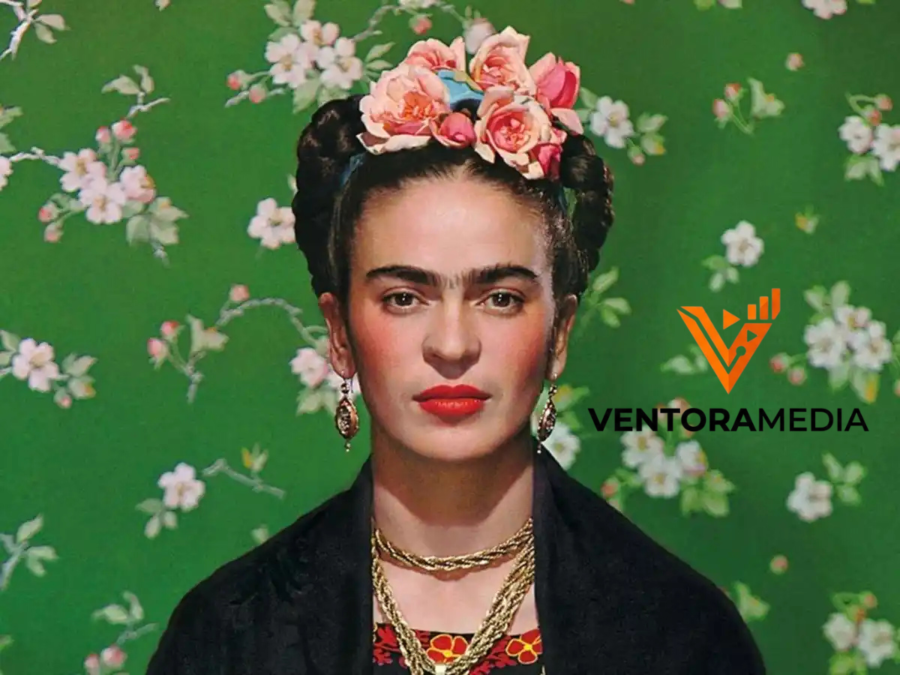
Antonio’s childhood was undoubtedly influenced by the world of the Kahlo household, where art was not just a profession but a way of seeing life. Frida’s home, known as La Casa Azul (The Blue House) in Coyoacán, Mexico, was a vibrant place filled with color, conversation, and visits from artists, activists, and thinkers. It was both a private home and a living cultural space.
Even though Antonio did not become an artist of global fame, living in that environment would have given him a unique perspective on how art and life intersect. Frida’s work was rooted in her personal experiences and Mexican cultural symbols, and this deep integration of life and art was the cornerstone of her legacy.
Challenges and Family Struggles
Life within the Kahlo family was not free from hardship. Frida herself endured lifelong health struggles after her bus accident. She also faced emotional turbulence in her relationships, especially with her husband Diego Rivera, a celebrated muralist whose larger than life presence was both a source of inspiration and conflict.
Antonio’s mother, Cristina, passed away relatively young in 1964, when Antonio was in his early 30s. This loss would have been significant in his life, shaping his sense of family and personal resilience. Later, Antonio himself passed away in 1974, leaving behind memories rather than a widely known public legacy.
Why Antonio Pinedo Kahlo Matters
You might wonder why we take time to reflect on a life that did not make headlines. The answer is simple: stories like Antonio’s help us understand the human side of artistic history. Great creators like Frida Kahlo did not exist in isolation. They were part of families, communities, and everyday struggles that shaped their work and the world they lived in.
Antonio’s life reminds us that art history is not just about famous names. It is also about the people who lived alongside the artists, supported them, shared their challenges, and carried forward their legacy in quieter ways.
Legacy and Reflection
Today, when people study the Kahlo family, they focus on incredible artworks and dramatic life stories. But looking at figures like Antonio Pinedo Kahlo gives us a deeper, richer understanding of the social and familial context behind those masterpieces.
Antonio may not have left paintings in museums, but his life was touched by the same currents that run through Frida’s work: resilience, passion, identity, and belonging. His story offers a human dimension to the world of art, reminding us that every masterpiece is born from a world full of ordinary and extraordinary lives intertwined.
FAQs: Antonio Pinedo Kahlo
1. Who was Antonio Pinedo Kahlo?
Antonio Pinedo Kahlo was the son of Cristina Kahlo, Frida Kahlo’s sister. Though less known than his famous aunt, he grew up in a family deeply connected to Mexican art and culture. His life was shaped by the creative environment of the Kahlo household.
2. Did Antonio Pinedo Kahlo create any artworks?
Unlike Frida Kahlo, Antonio did not pursue a public career in painting. His significance lies more in his connection to the Kahlo family and the cultural legacy that surrounded him, rather than in widely recognized artworks.
3. How was Antonio related to Frida Kahlo?
Antonio was Frida Kahlo’s nephew. His mother, Cristina Kahlo, was Frida’s sister, which placed him in the midst of one of the most influential artistic families in Mexico.
4. What is Antonio Pinedo Kahlo remembered for?
He is remembered for his role in the Kahlo family story, providing context and perspective on the environment that influenced Frida’s life and art. His life reminds us that great artistic legacies are supported by family and personal relationships.
5. Where can I learn more about Antonio Pinedo Kahlo?
Most information comes from biographies of Frida Kahlo and family histories. While he didn’t leave a public body of work, exploring the Kahlo family’s life gives insight into his world and experiences.
Final Thoughts
Antonio Pinedo Kahlo may not be a household name like his aunt Frida, but his life offers a valuable perspective on the human story behind great art. Growing up within the Kahlo family, he experienced firsthand the intersection of creativity, struggle, and passion that shaped one of the most influential artistic legacies in the world. His story reminds us that every artist’s journey is supported by a network of family, relationships, and life experiences—often unseen, yet deeply impactful.
Reflecting on Antonio’s life, we gain more than biographical knowledge; we gain insight into the environment that nurtured one of history’s most iconic painters. It’s a reminder that the world of art is not just made by celebrated works but also by the lives and experiences that surround them. Antonio Pinedo Kahlo’s quiet yet meaningful presence ensures that the human side of creativity is never forgotten.